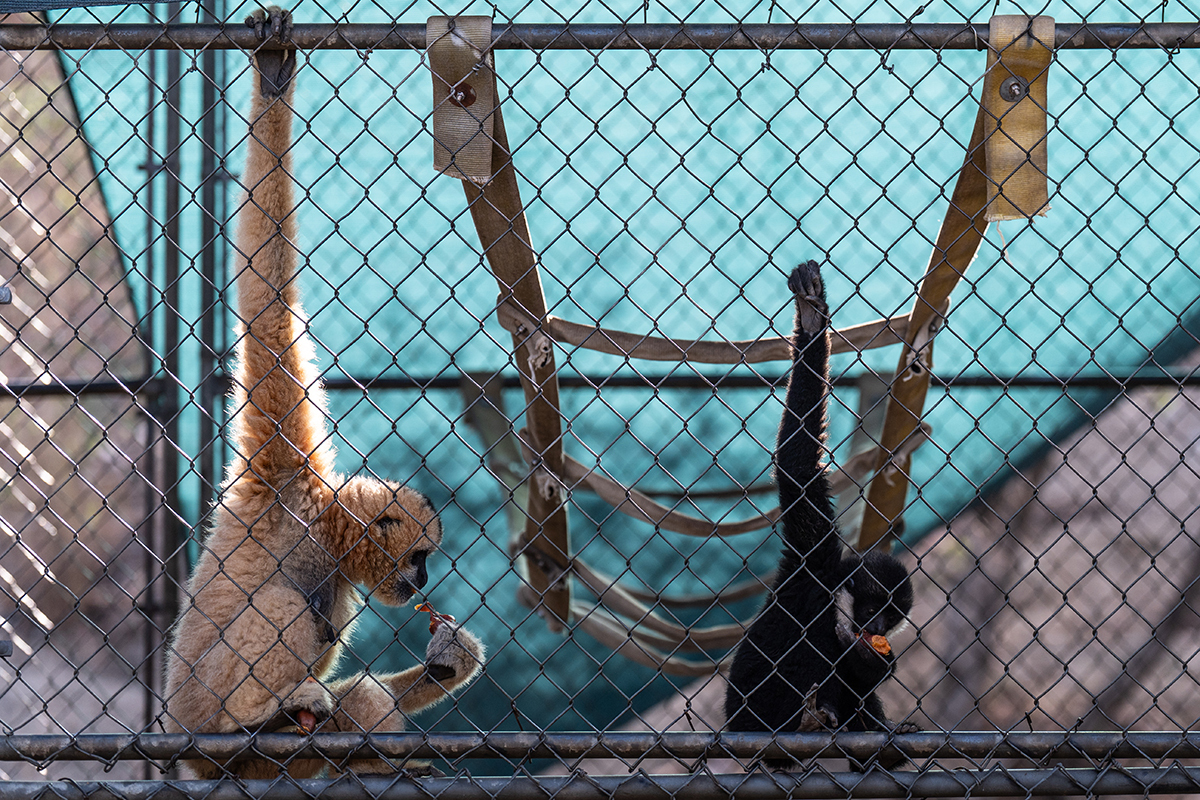
He cared for apes that sing.
-
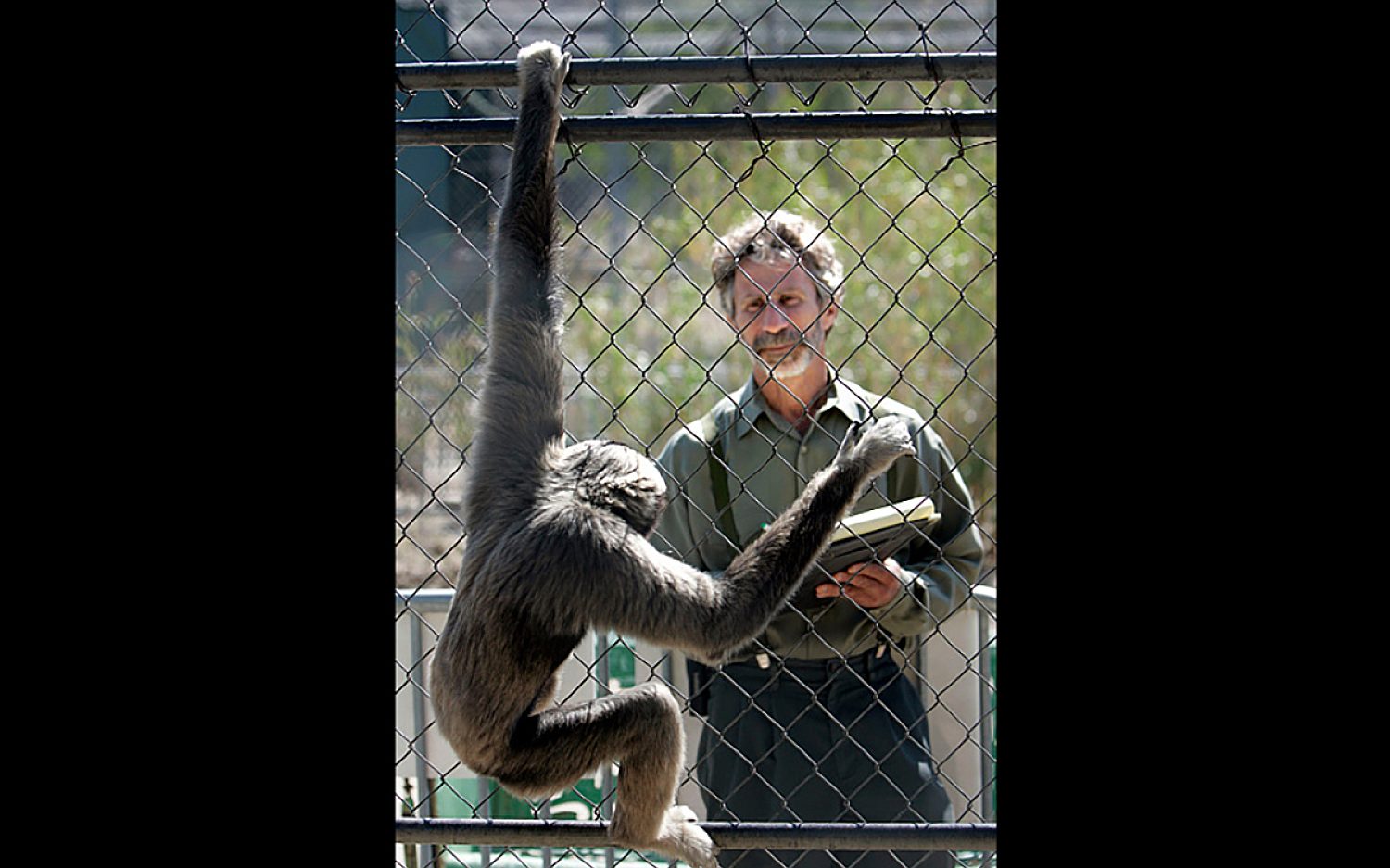
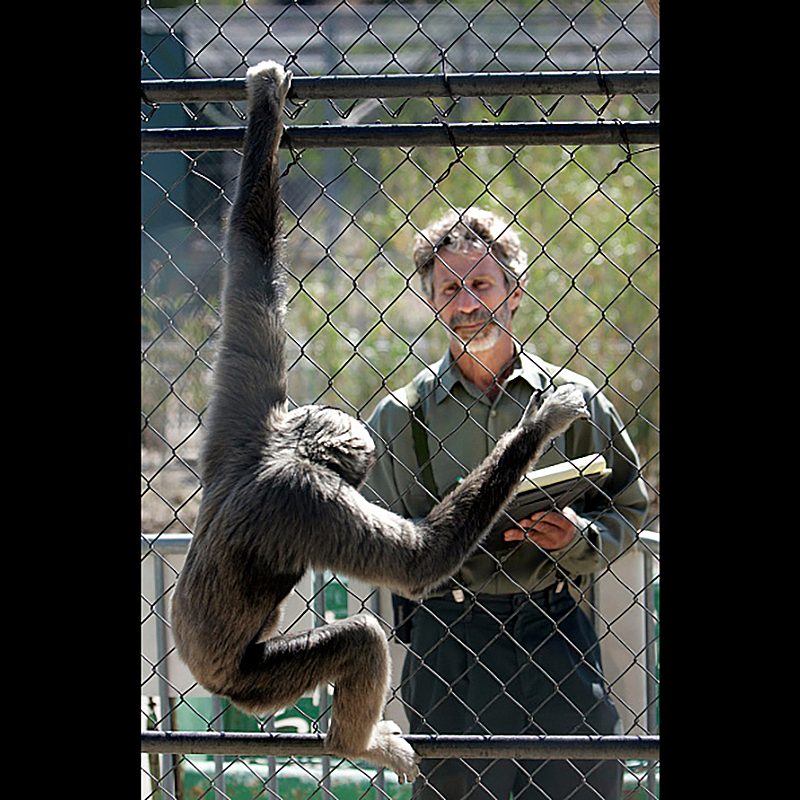
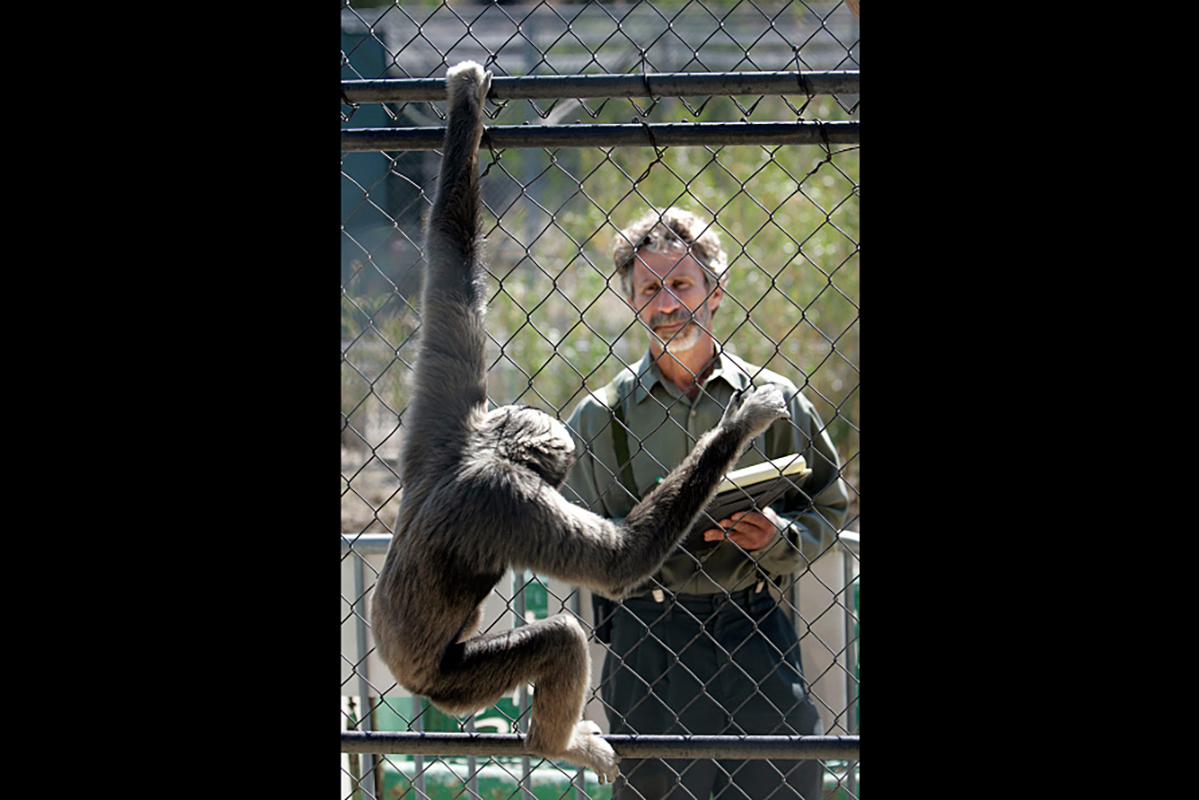
Alan Mootnick started a center for gibbons in California. (Carlos Chavez/Los Angeles Times/ Getty Images) -
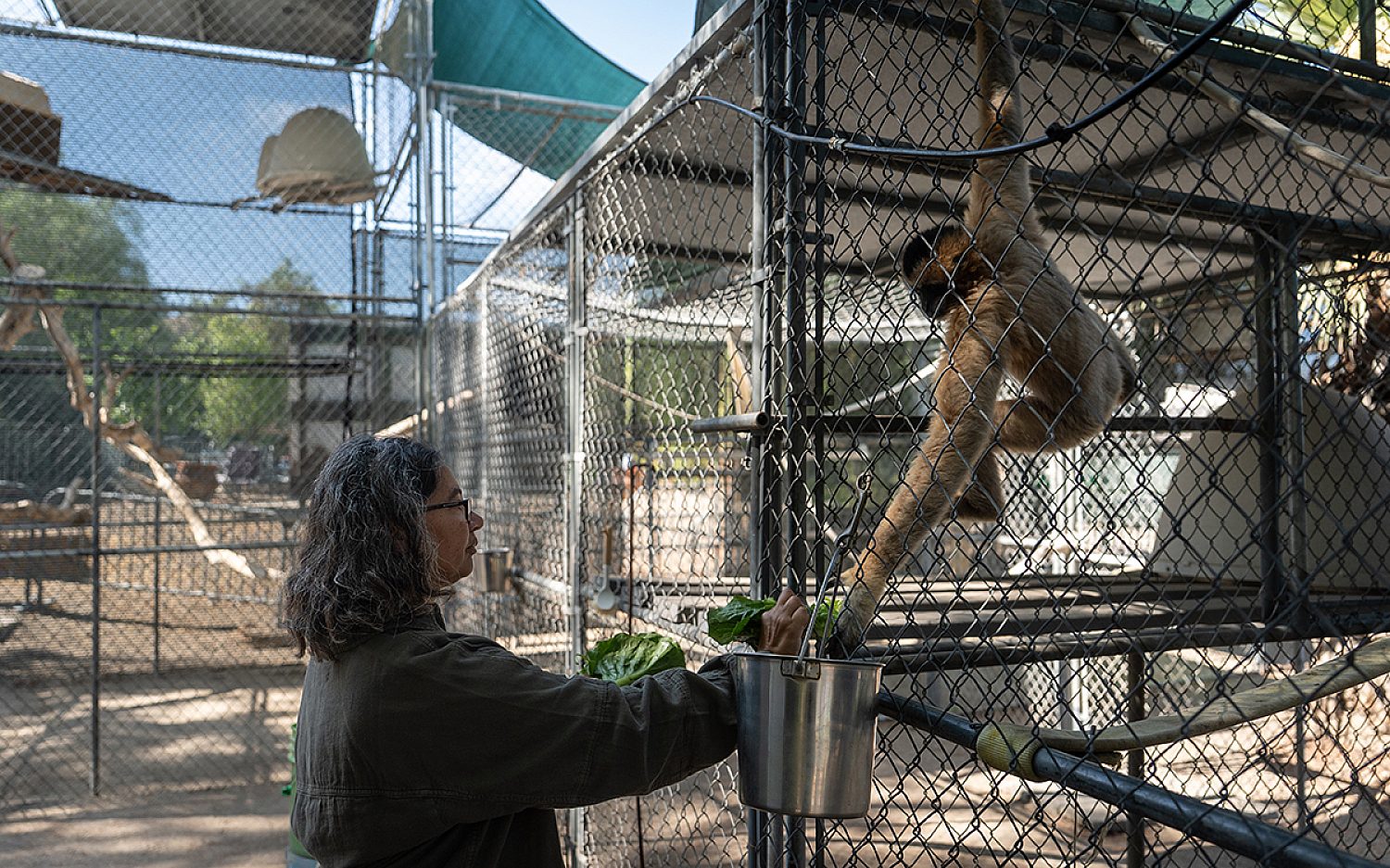
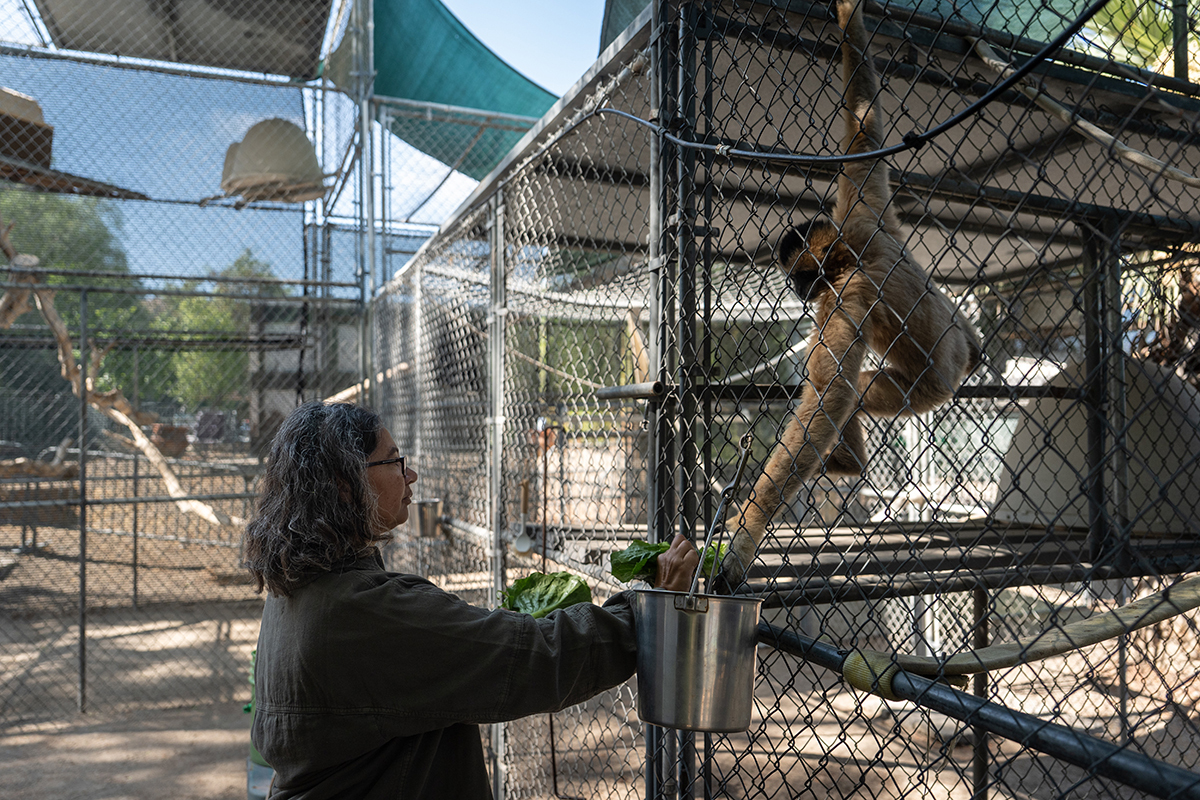
Gabi Skollar is now the director of the gibbon center. (AP/Jae C. Hong) -
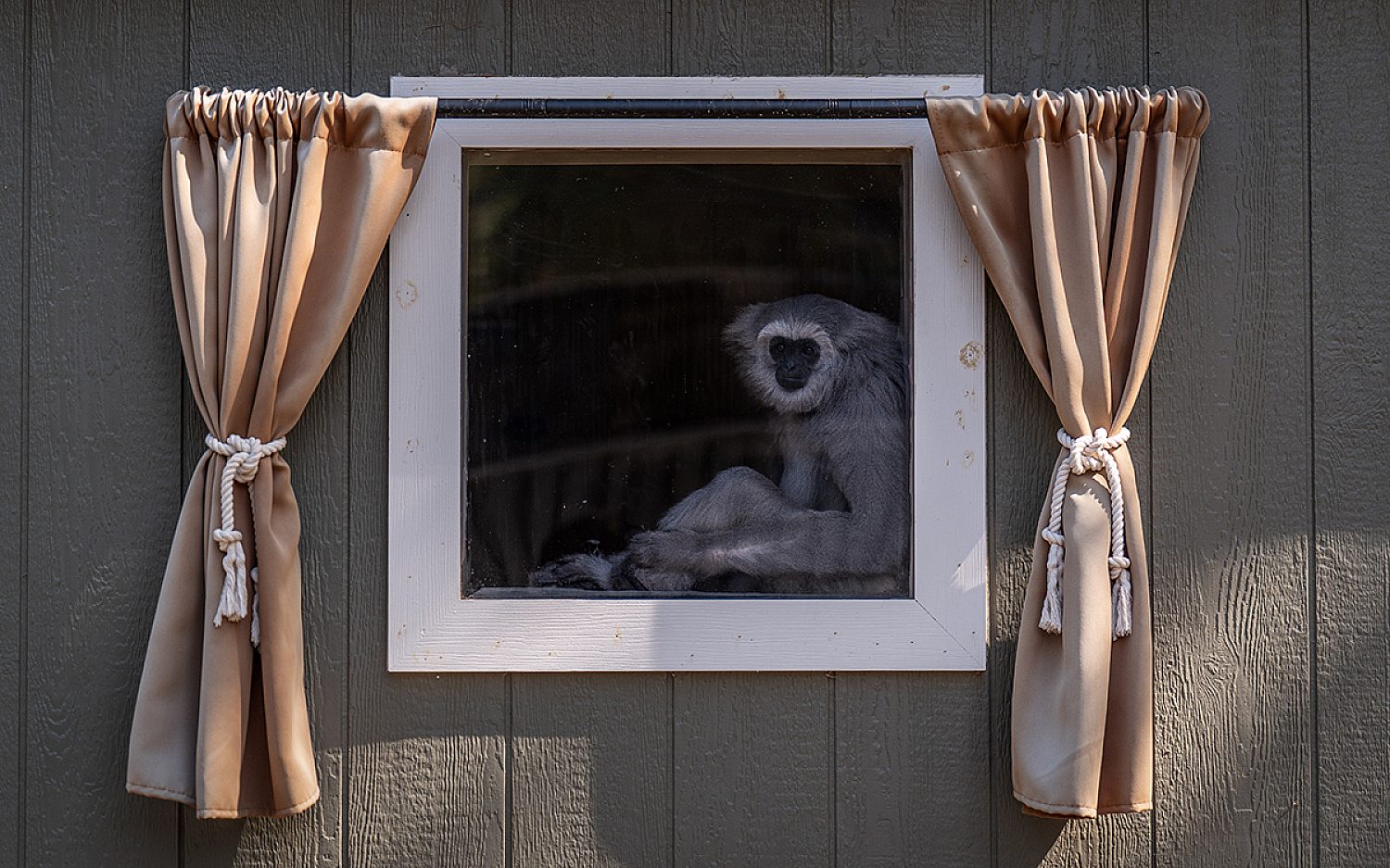
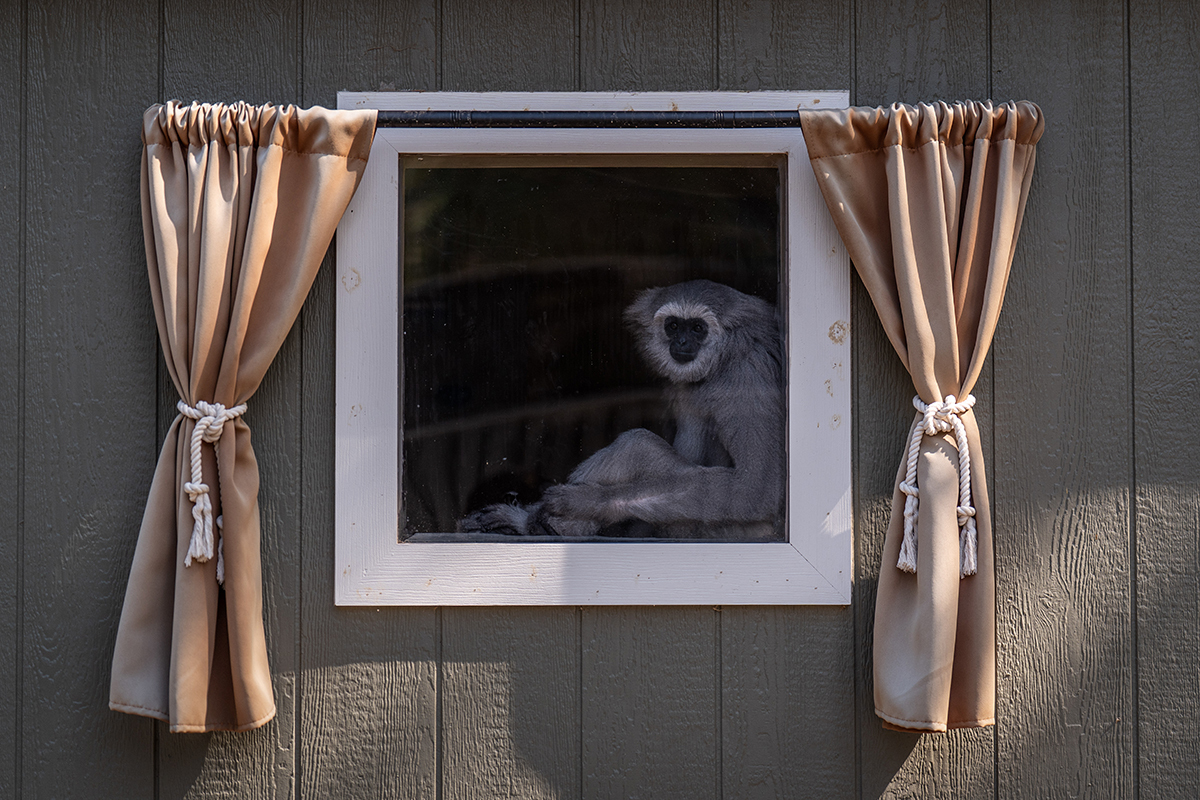
A gibbon named Rocky sits at the center. (AP/Jae C. Hong) -
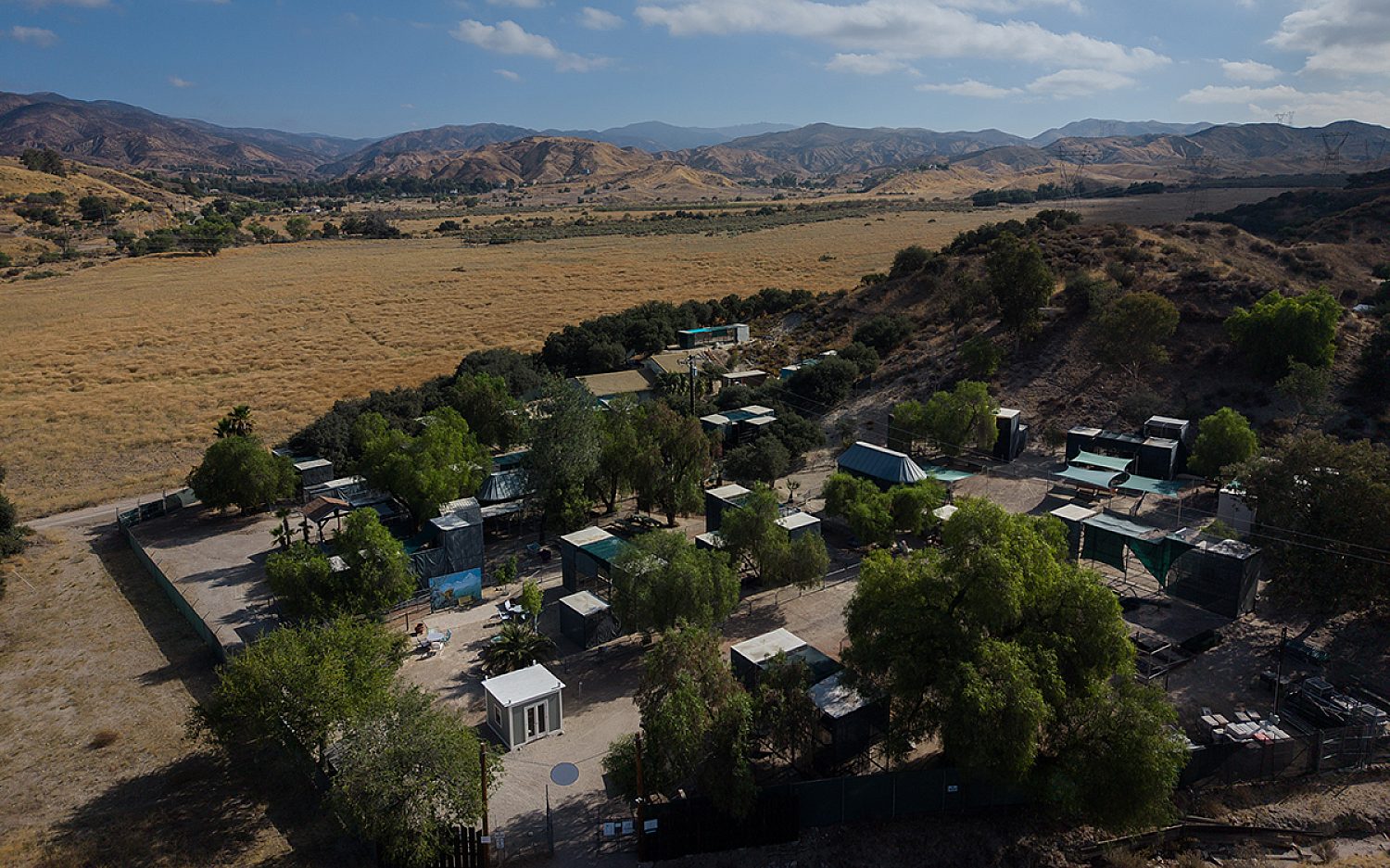
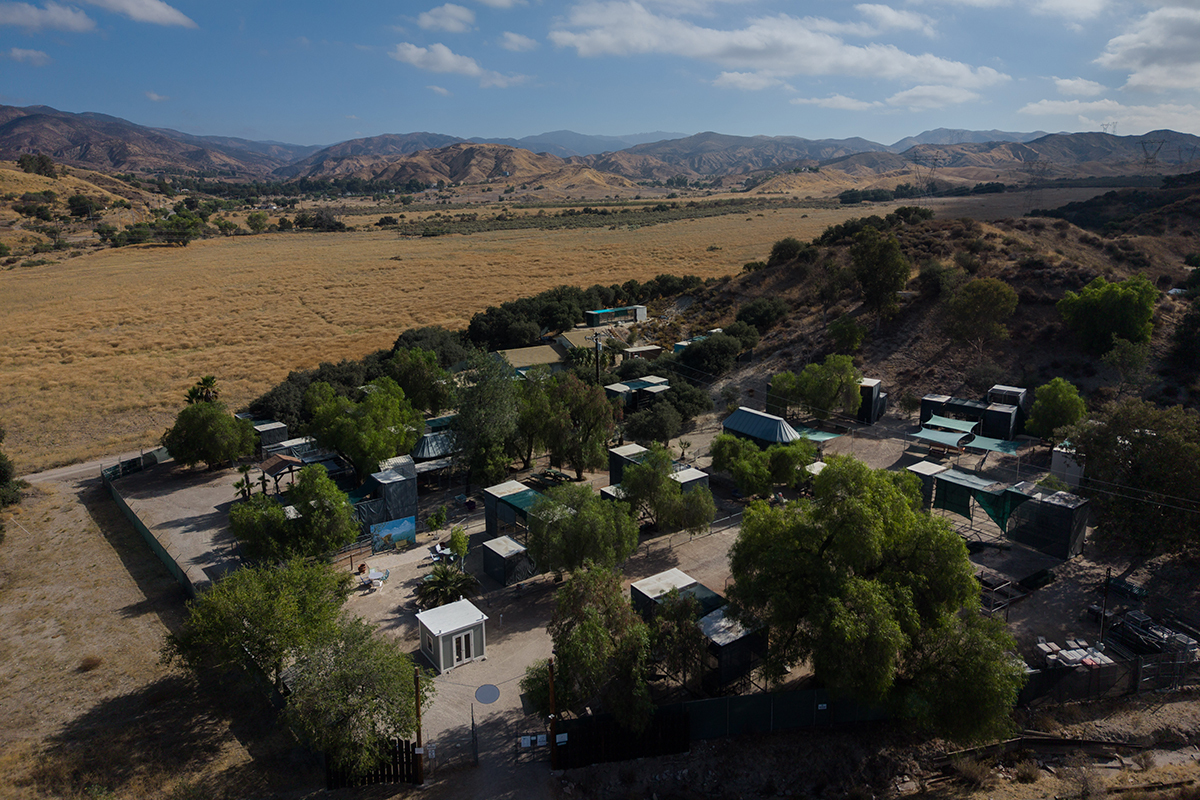
The Gibbon Conservation Center is in Santa Clarita, California. (AP/Jae C. Hong) -
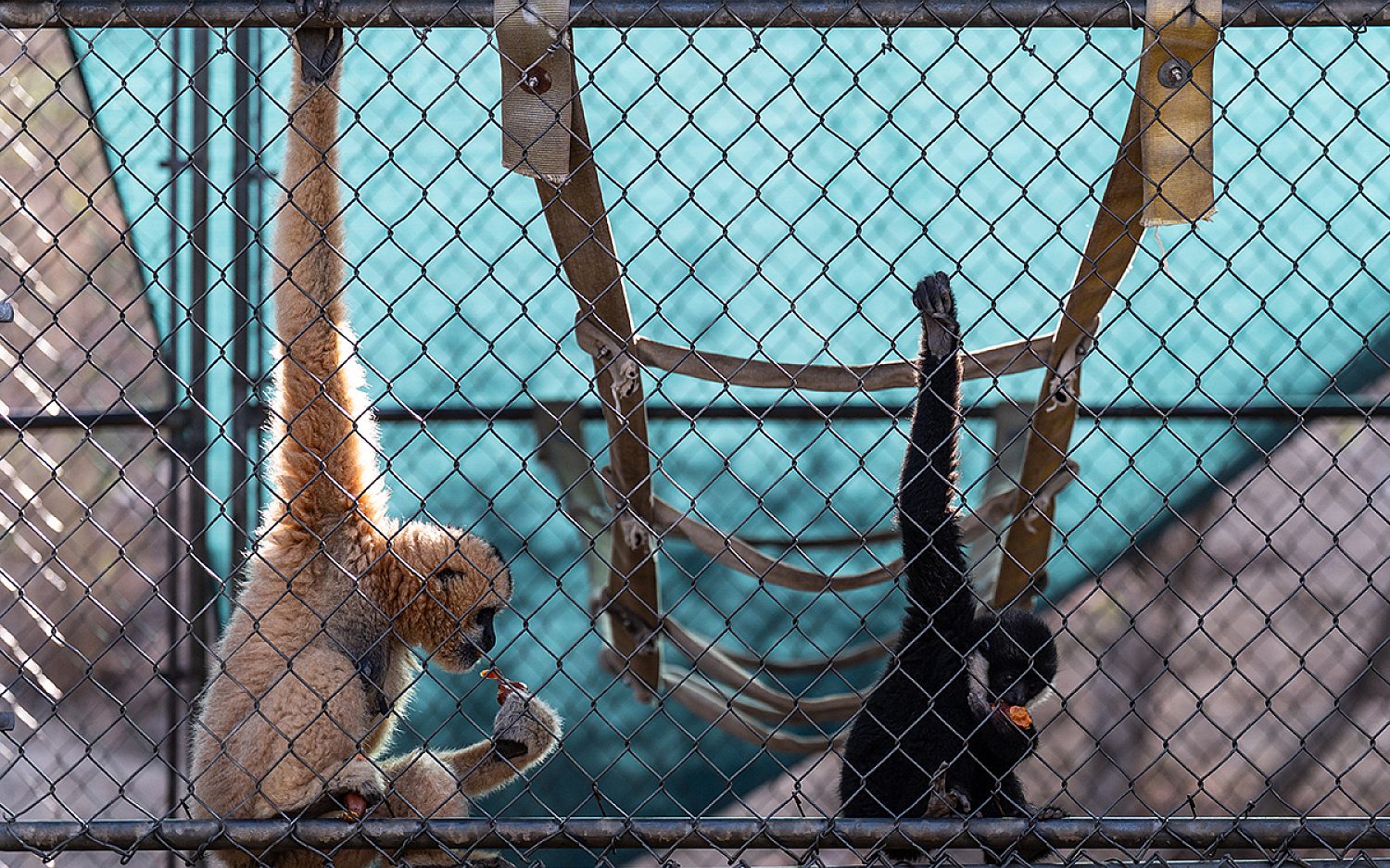
Two gibbons eat a snack. Volunteers at the center feed them lettuce, sweet potatoes, and bananas. (AP/Jae C. Hong)
Mr. M. wanted a zoo. He was 9. A friend paid him to take out the garbage. He took care of animals with the money.
He later made a gibbon zoo. Gibbons are small apes. Folks still visit the zoo!
Pray: Thank God for people who protect the animals He made.
Read More:
Alan Mootnick painted and fixed buildings in California. He also loved gibbons. He started a gibbon center in 1976. It has 40 apes. They sing many times each day for 20 to 30 minutes. Folks hear them a mile away. Most gibbons live in rainforests of Southeast Asia. Many people want to farm that land. Some cut trees for wood. Others sell gibbon babies as pets. There are not many of these apes left. Mr. Mootnick protected them until he died in 2011. Others continue his work.
“Every beast of the forest is mine.” (Psalm 50:10)