Join the bug eaters club.
-
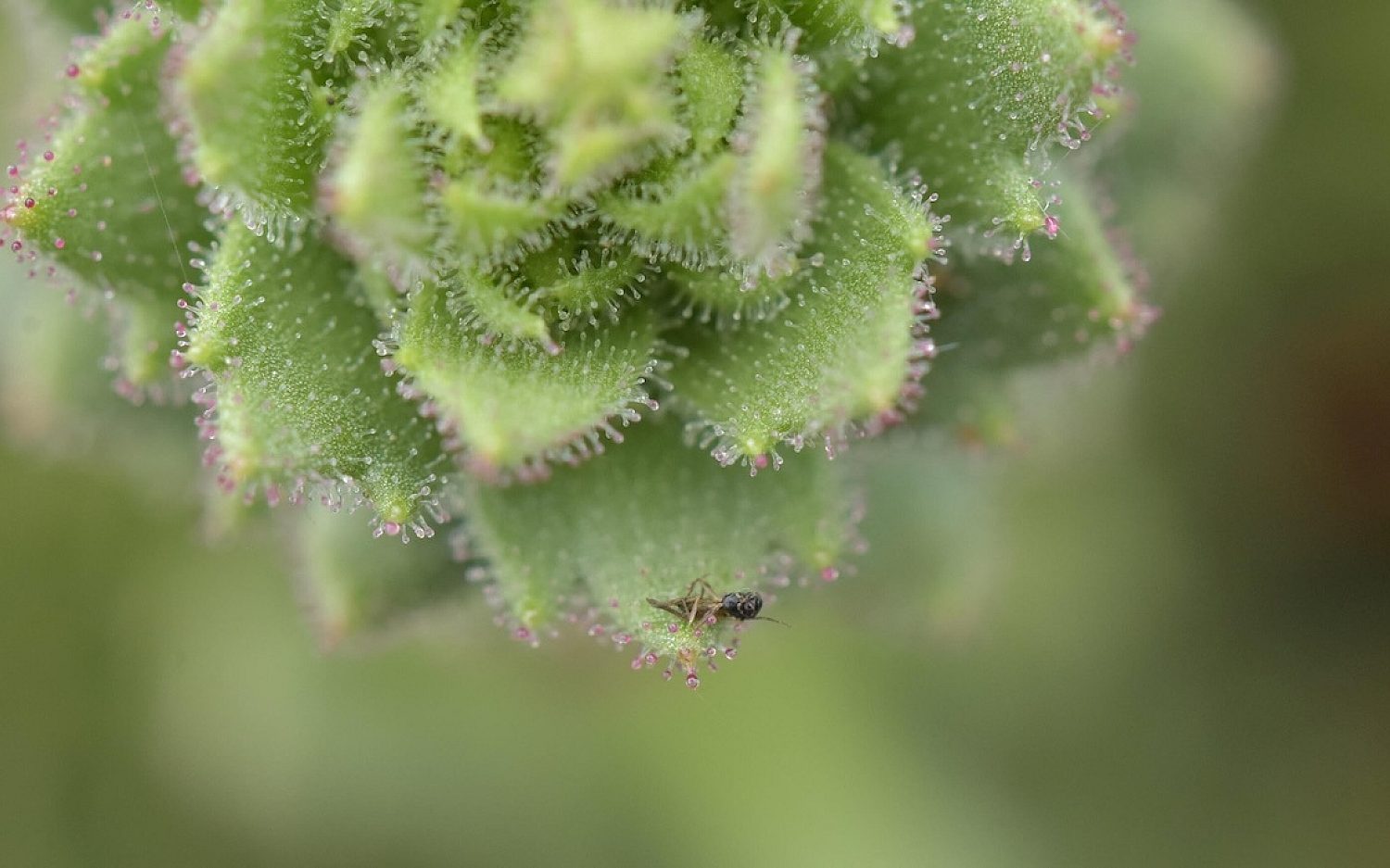
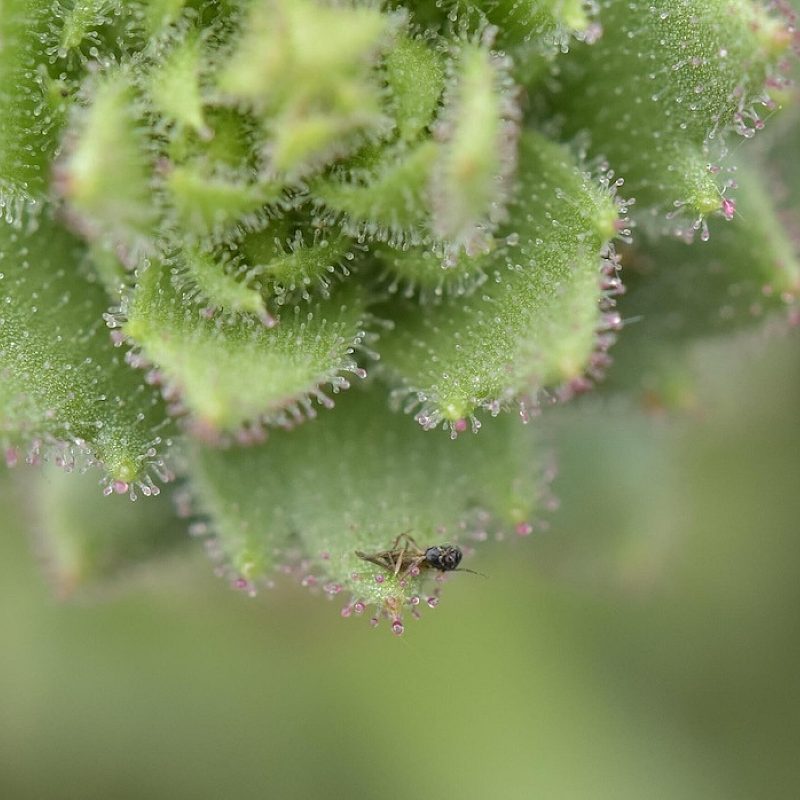
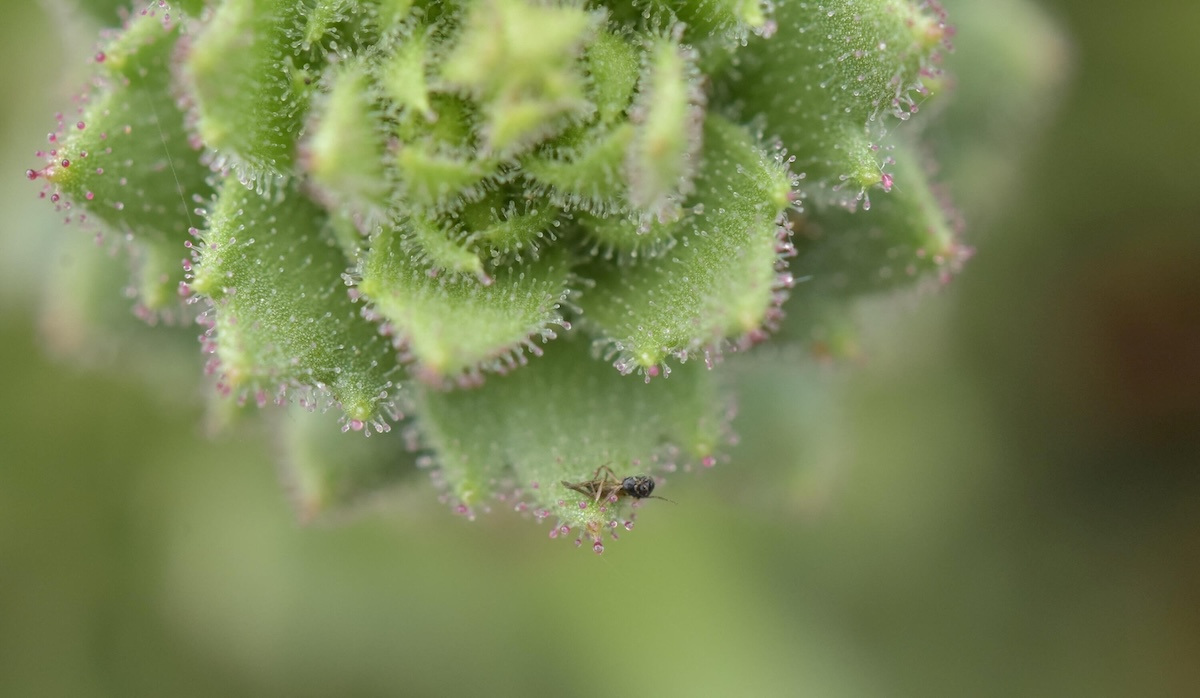
The Saxifraga candelabrum grows in China. Its sticky hairs trap small insects. (Xian-Han Huang/Handout/Reuters) -
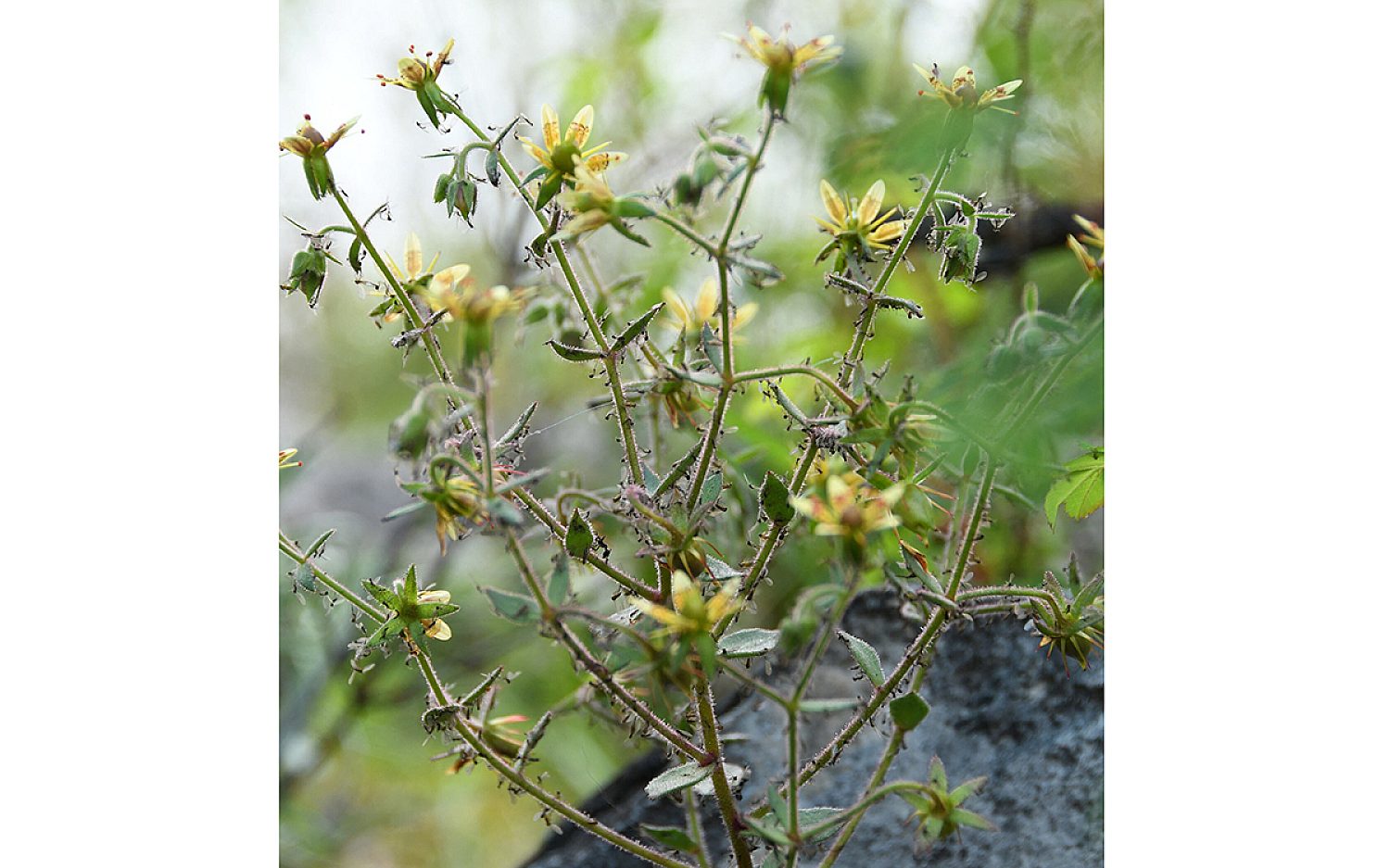
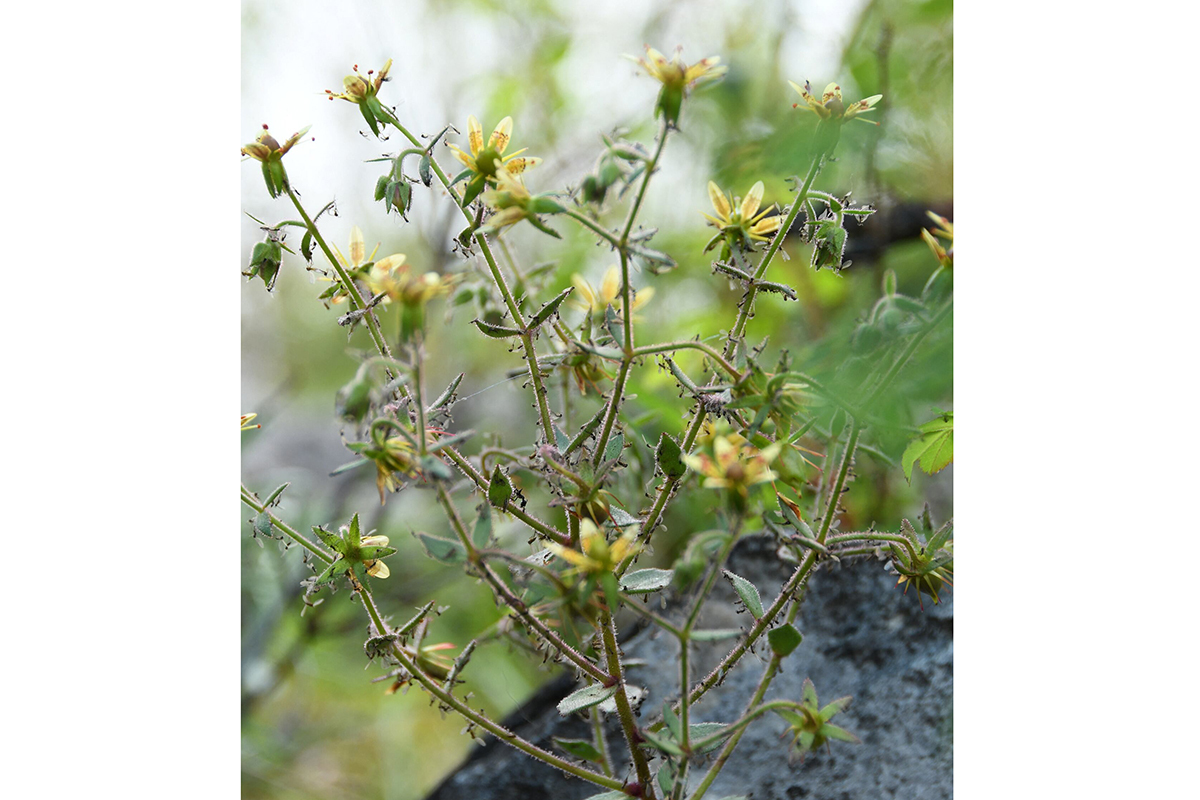
Most plants that eat bugs live in swamps. This plant lives on rocky mountain tops. (Xin-Jian Zhang/Handout/Reuters) -
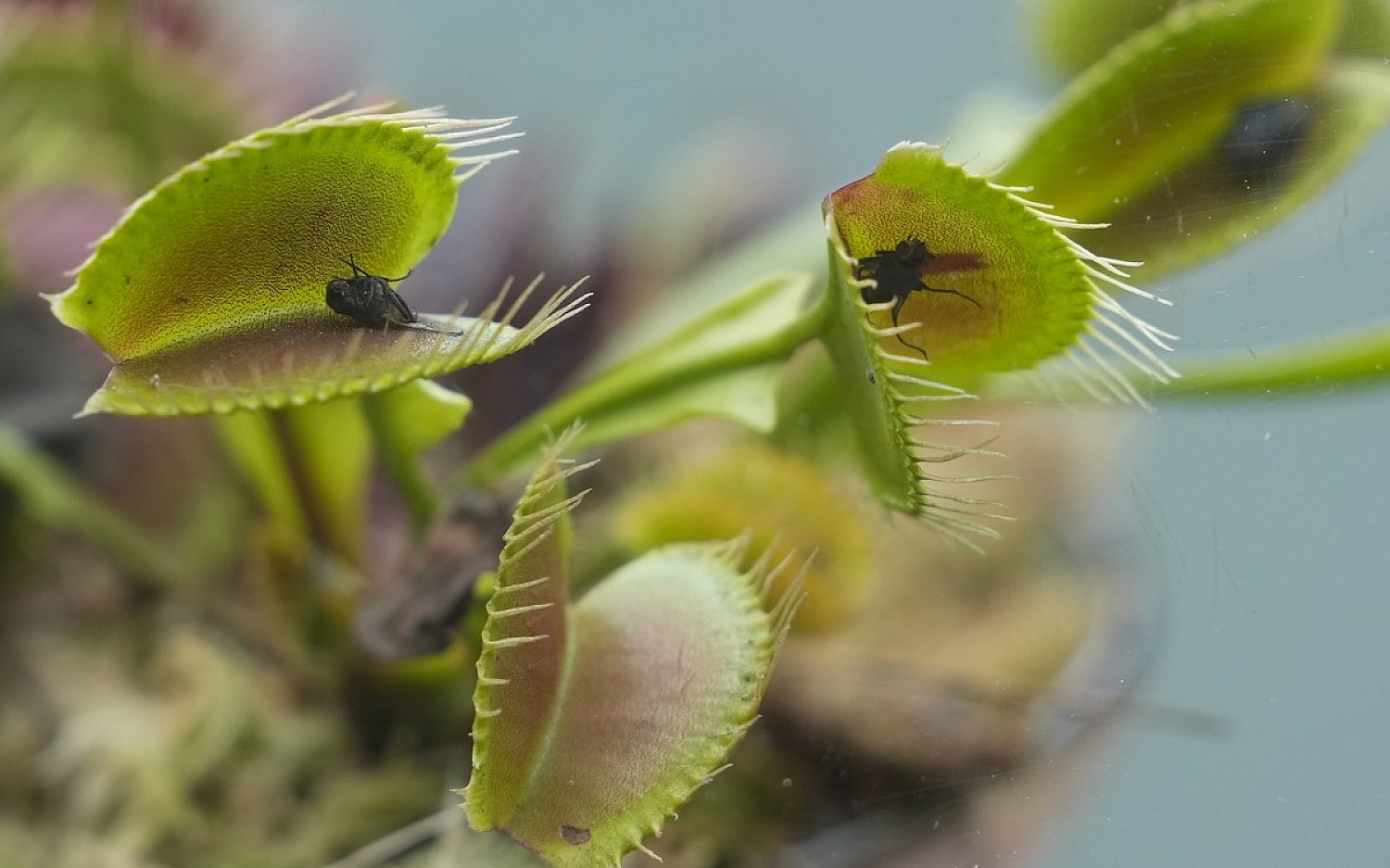
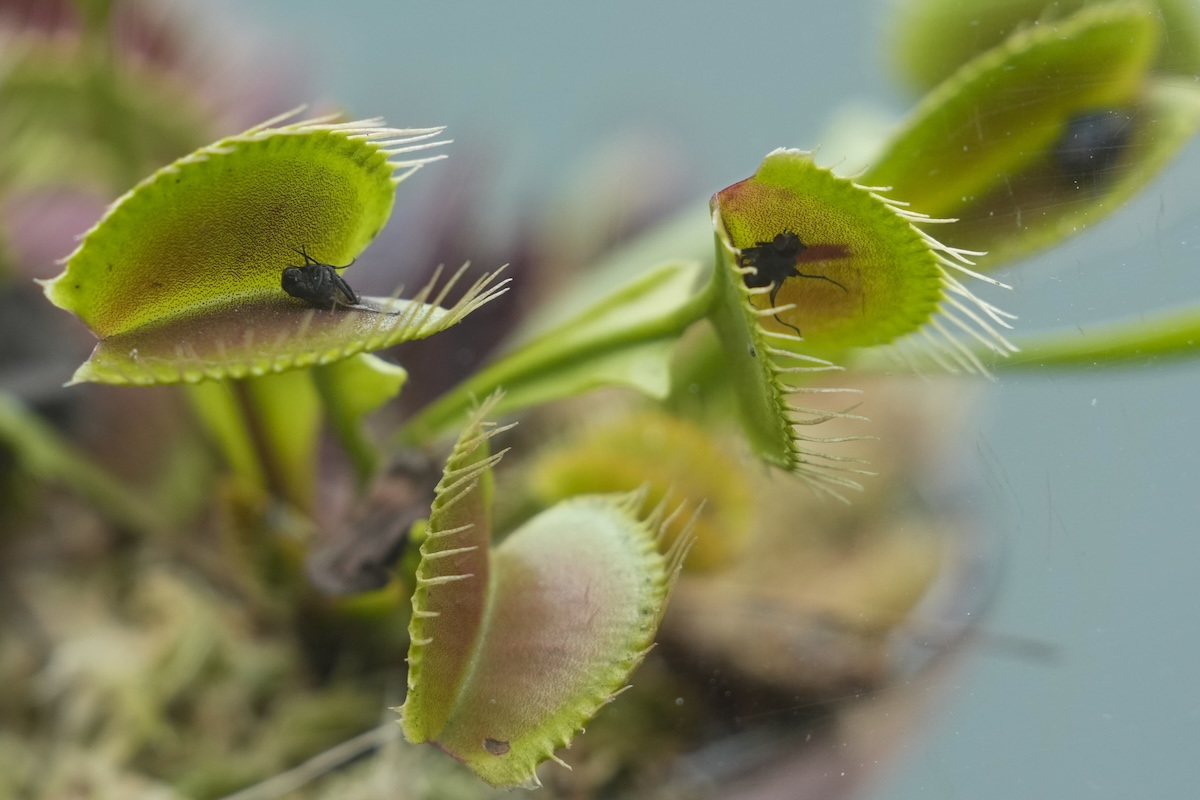
The Venus flytrap also captures insects. (AP/Fernando Vergara) -
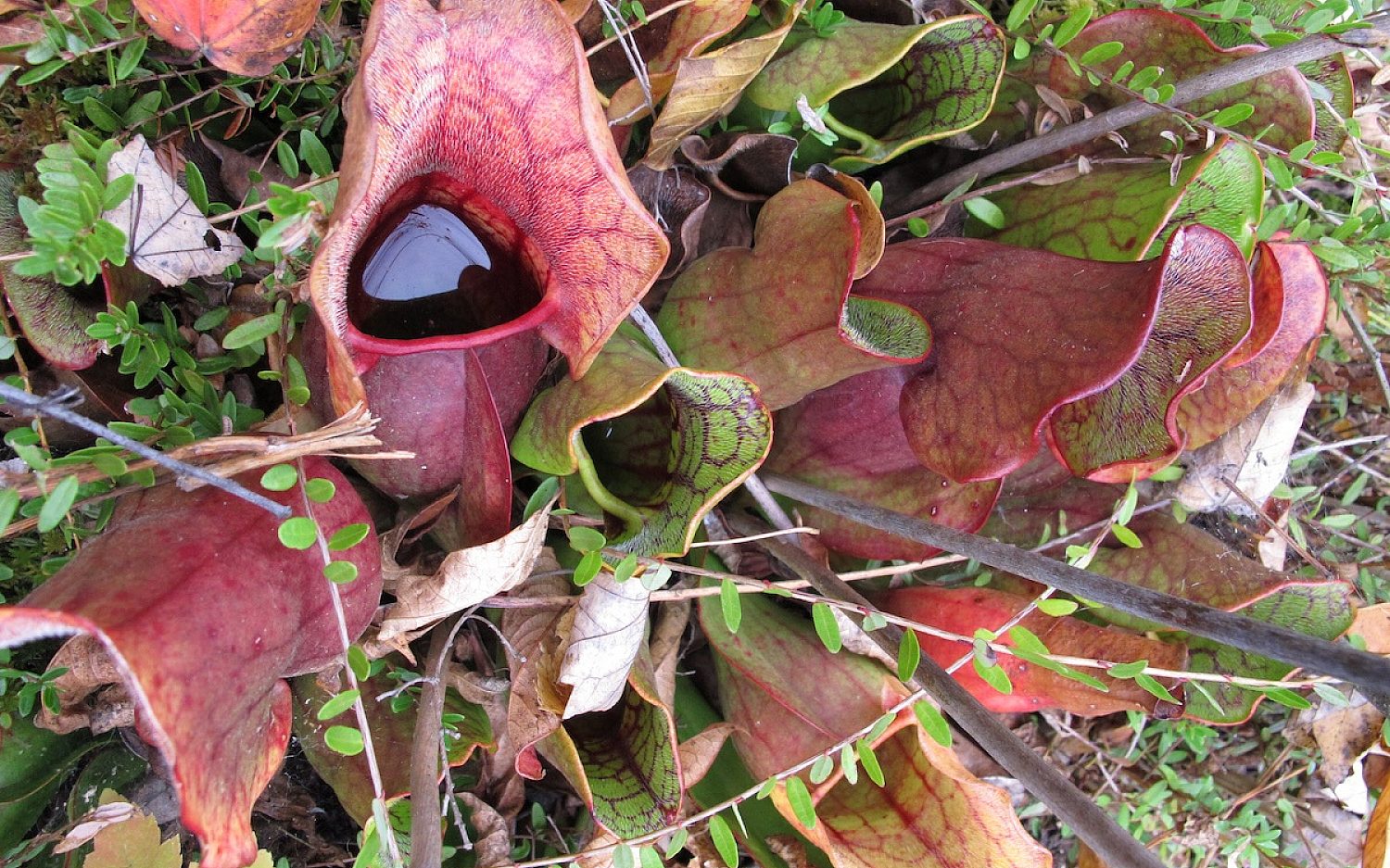
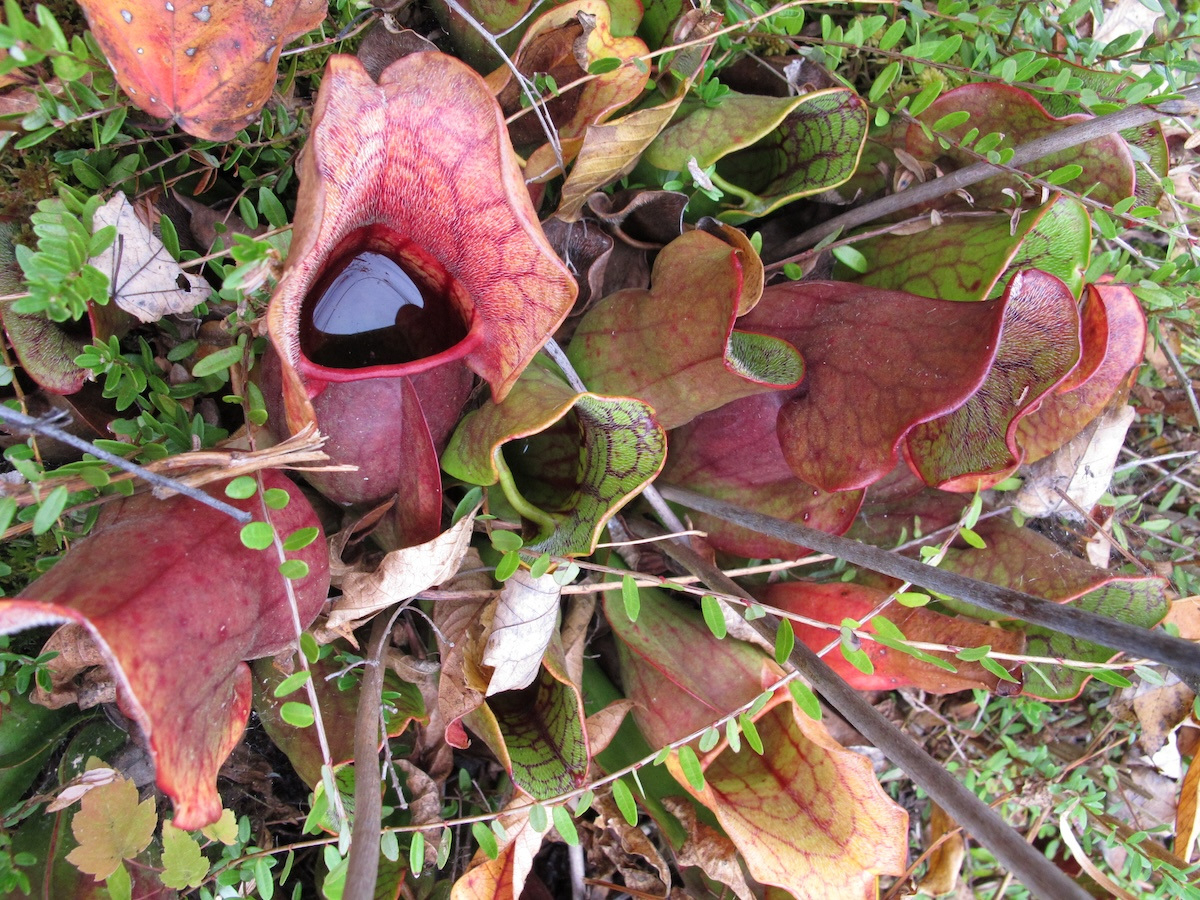
A pitcher plant grows in a bog in Ohio. It gets nitrogen from bugs. (AP/Kantele Franko) -
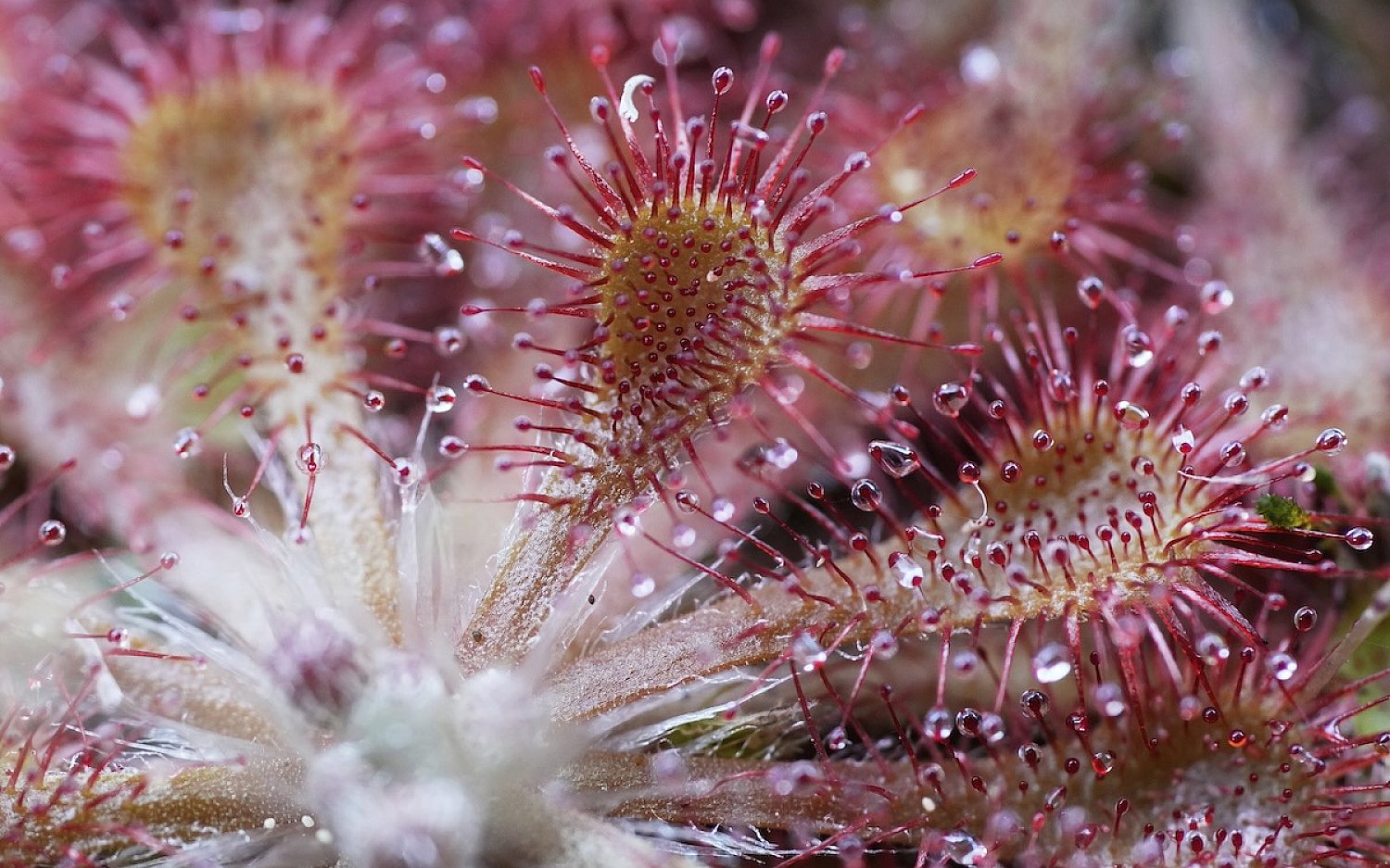
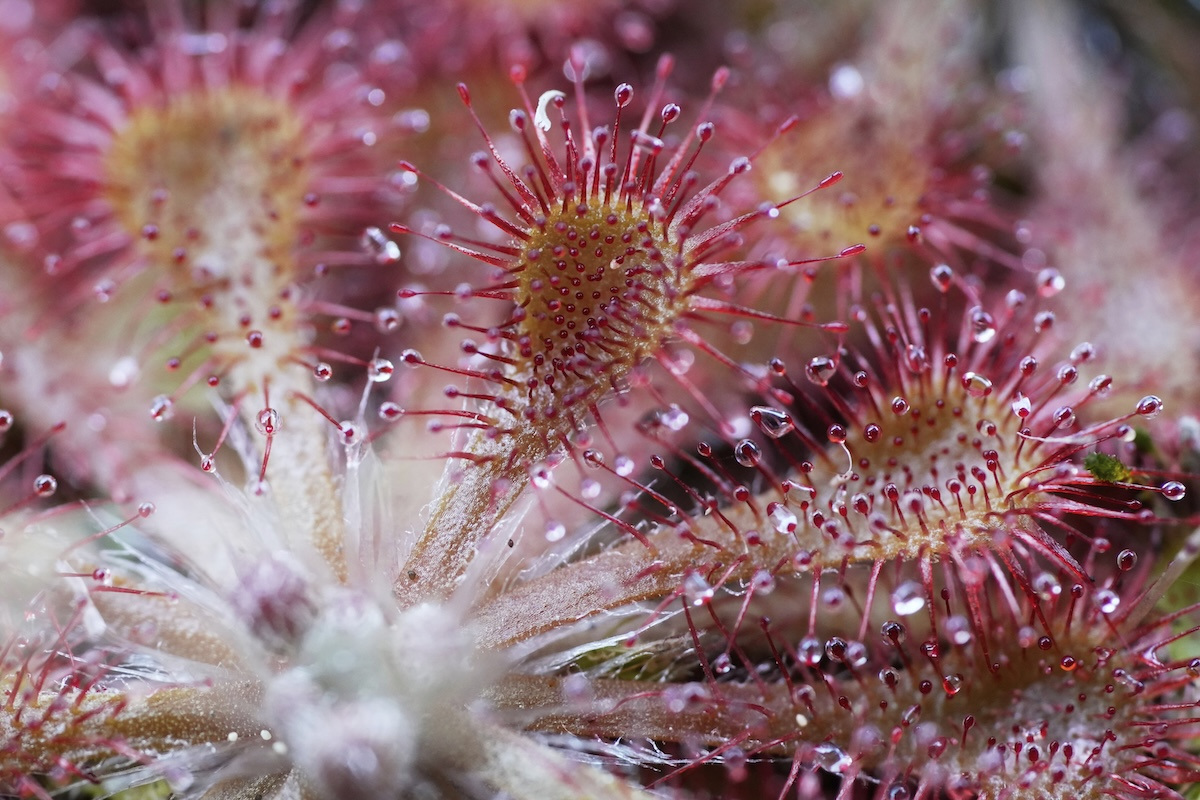
The spoon-leafed sundew traps and digests insects. (AP/Fernando Vergara)
See the pretty wildflower. It makes a smell bugs like.
The plant has sticky red hairs. Big bugs land and fly away. Little bugs get trapped in the hairs. The plant eats them!
Pray: Thank God for making wacky, lovely plants.
Read More:
Most plants that eat bugs live in swampy places. Scientists found a plant that eats bugs in China’s rocky mountains. It is called Saxifraga candelabrum. The soil where it grows does not have many nutrients. All plants need nitrogen. Many plants need bugs to carry pollen from one plant to another. Big flies land on this mountain flower. They can come and go. They spread pollen. Tiny bugs get caught in sticky hairs on the plant’s stems and branches. These bugs give the plant nitrogen!
“All things were made through Him.” (John 1:3)